

Article: As Seen in Sphere: Is AI Finally Making Us Accept Natural Imperfection?

As Seen in Sphere: Is AI Finally Making Us Accept Natural Imperfection?
As the era of automated perfection proliferates, beauty standards are shifting. Could this finally be the catalyst that make us accept natural imperfection?
As the age of social media has given way to the age of AI, what was once dubbed filter or filler face, trout pout, or duck lips has moved on. Airbrushing has become AI-automated, and it seems unrealistic to the point of being inhuman. But since when have we, as a collective, had a problem with the unrealistic? Unrealistic beauty standards predate me by at least a few centuries, and unattainable ideals are certainly not new. Dr Mattia Parducci, Aesthetic Doctor at Dr Joney De Souza Skin & Laser Clinic, London, and Medical Director of Cannelle Skin Clinic, Oxfordshire, summarises this, stating that “For a long time, the goal in aesthetics seemed to be correcting absolutely everything. Every line, every asymmetry, every perceived flaw.” But as he quite rightly points out, “no face is perfectly symmetrical, nor should it be.”
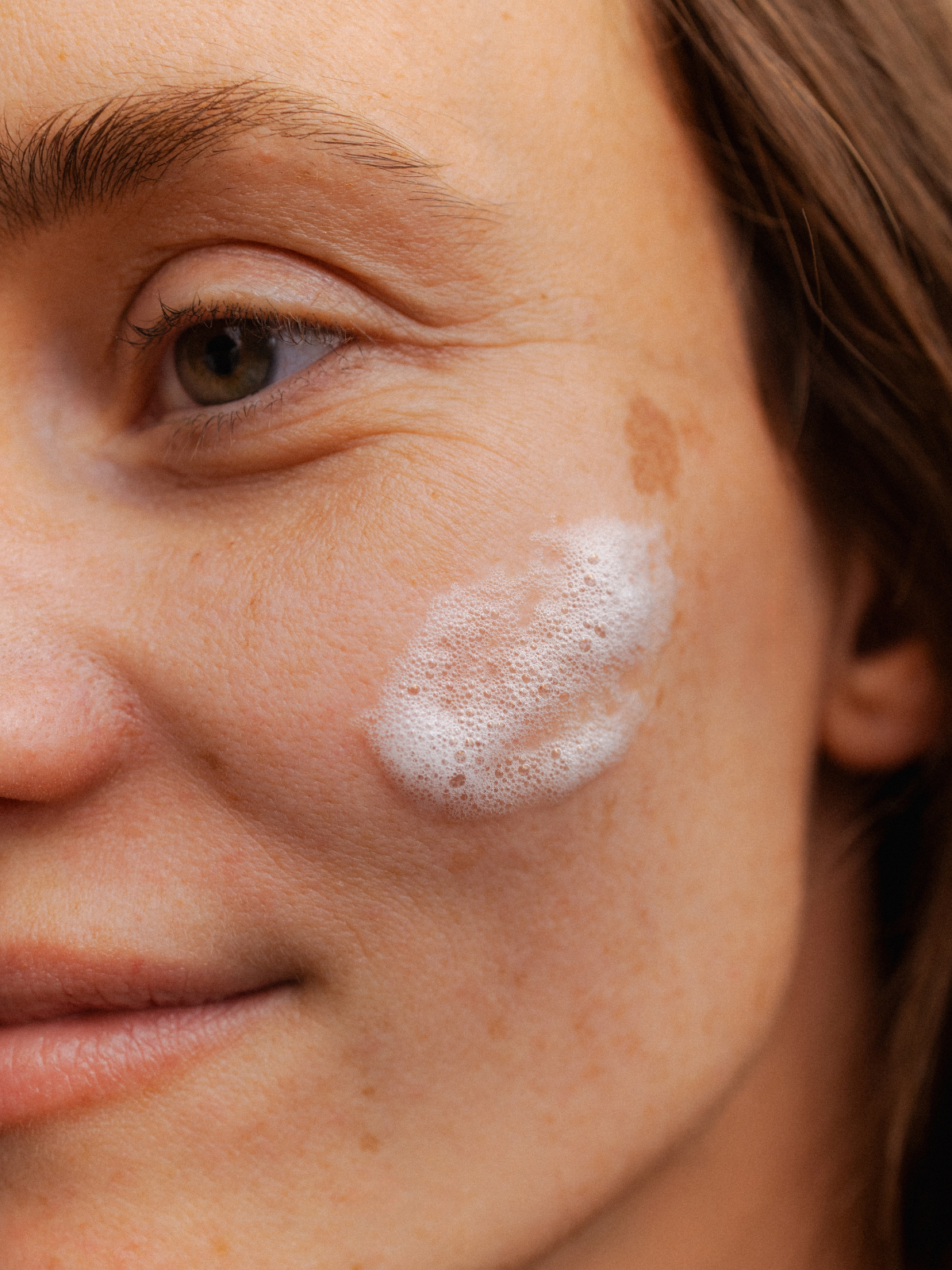
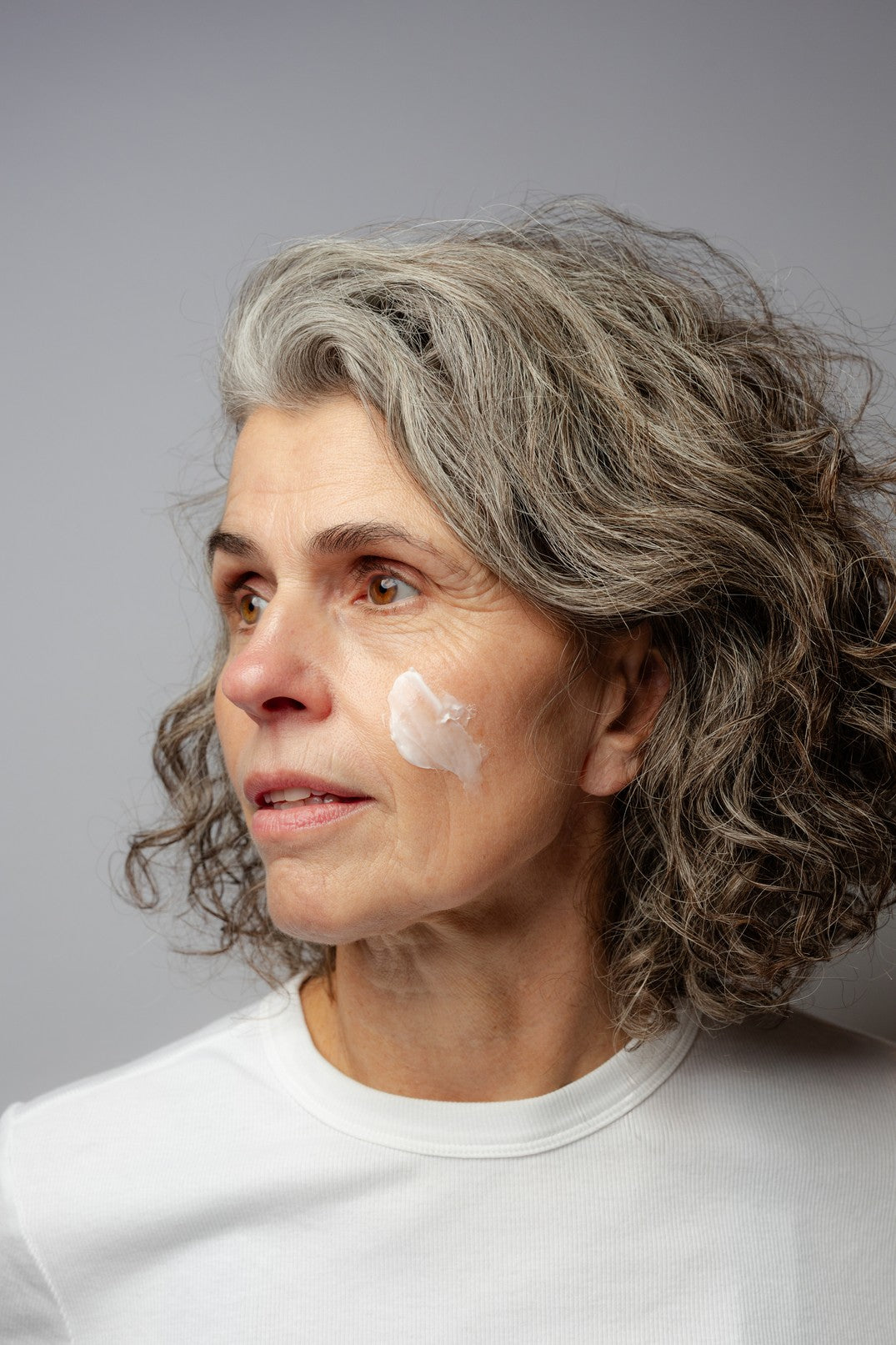
Where AI falls down is that it creates the same face – much more convincingly than filler ever did. You’ve no doubt already scrolled past a thousand images with a similar look: perfect proportion, symmetry and smoothness. We’ve seen AI flatten language and creativity, and now we’re seeing the same with beauty. Nurse Nicola, practitioner at The Aspire Clinic in Mayfair, notes that this has led to a pendulum swing of sorts: “Where AI can generate an almost impossibly 'perfect' face, human details can actually become more desirable as it communicates authenticity and individuality rather than a carbon-copy aesthetic.” In essence, It’s making beauty standards boring. The more perfect, the less compelling. Or as Parducci aptly points out: “These images have no visible pores, no asymmetry, no history and, most importantly, no character.”