



Q&A with Dr. Emil Henningsen
Q&A with Dr. Emil Henningsen
Dr. Emil is one of Denmark's leading specialists in cosmetic and aesthetic dermatology. A board certified dermatologist, who specialises in the treatment of acne scars and is regarded as a global expert and key opinion leader in this field. He is also the co-founder of APEER.

1.What should you pay special attention to when it comes to the skin’s hydration needs?
The skin’s hydration level depends on two key factors:
- The skin’s own barrier (ceramides, fatty acids, cholesterol)
- The environment around us (cold weather, humidity levels, skincare habits)
When the barrier is weakened, moisture escapes more quickly from the skin, leaving it feeling tight or irritated. That’s why it’s important to focus on ingredients that both bind water and strengthen the barrier.
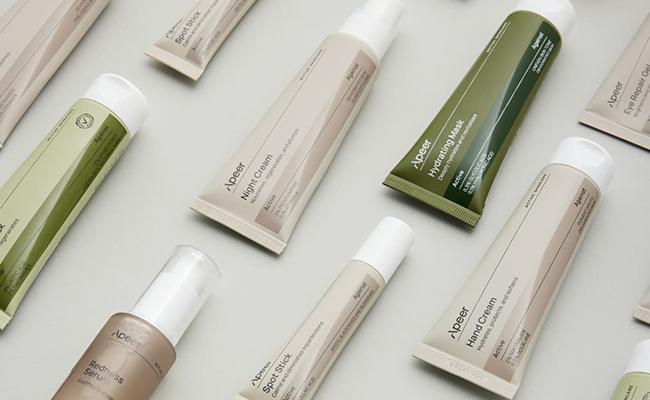
With Apeer, you can support the skin’s hydration especially well through:
- Hydrating Serum (hyaluronic acid + glycerin → effectively binds moisture)
-
Calming Serum (soothes, strengthens the barrier, reduces redness)
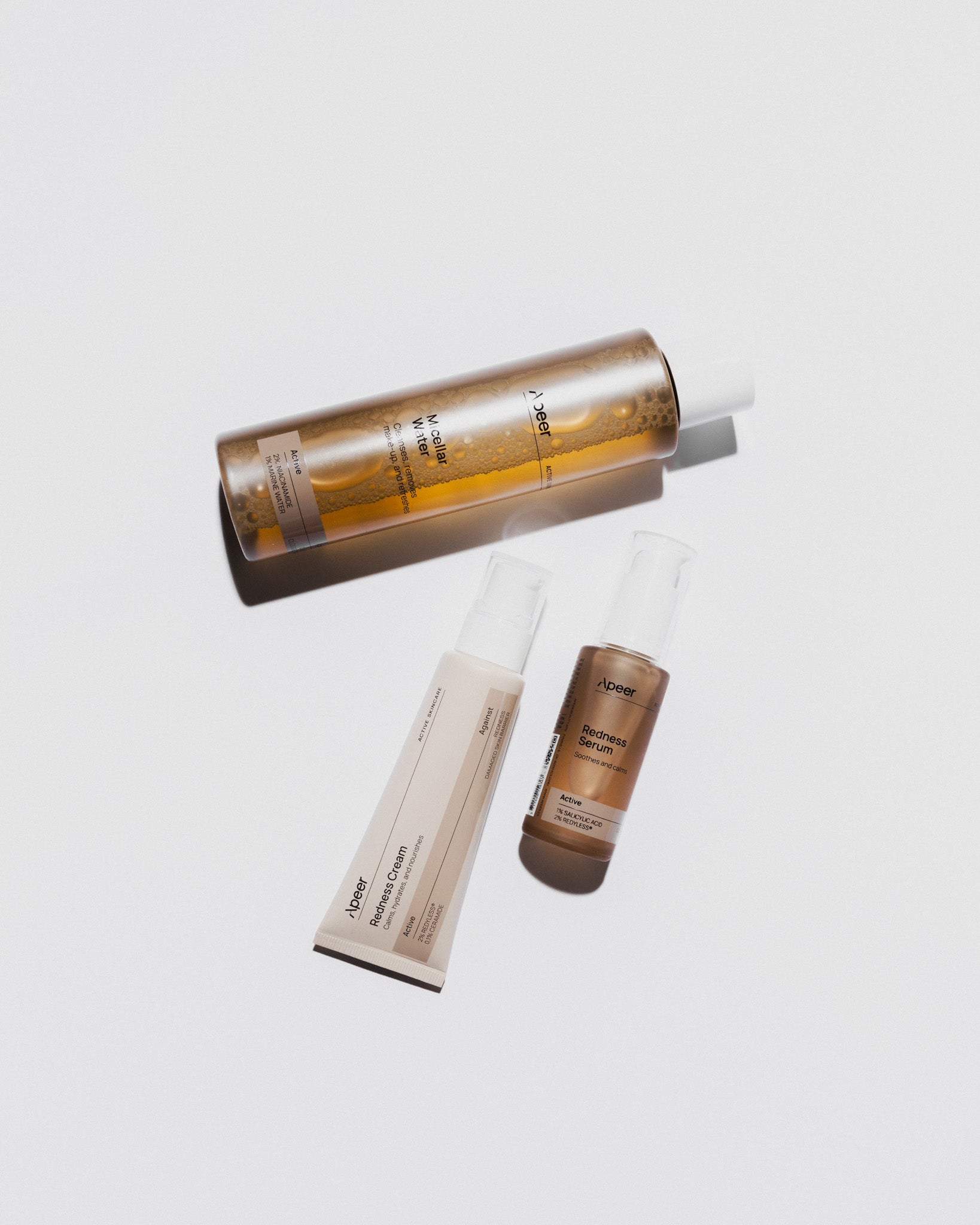
- Redness Cream (contains ceramides and lipids → reinforces and calms the skin barrier)
A good rule of thumb: if your skin feels tight after cleansing, it’s lacking both moisture and lipids
2.Is there anything you should pay attention to when your skin is exposed to very cold weather?
Cold weather doesn’t dry out the skin on its own — but the combination of cold, wind, and low humidity pulls moisture from the skin and can cause redness.
To support the skin in these conditions, you can benefit from using:
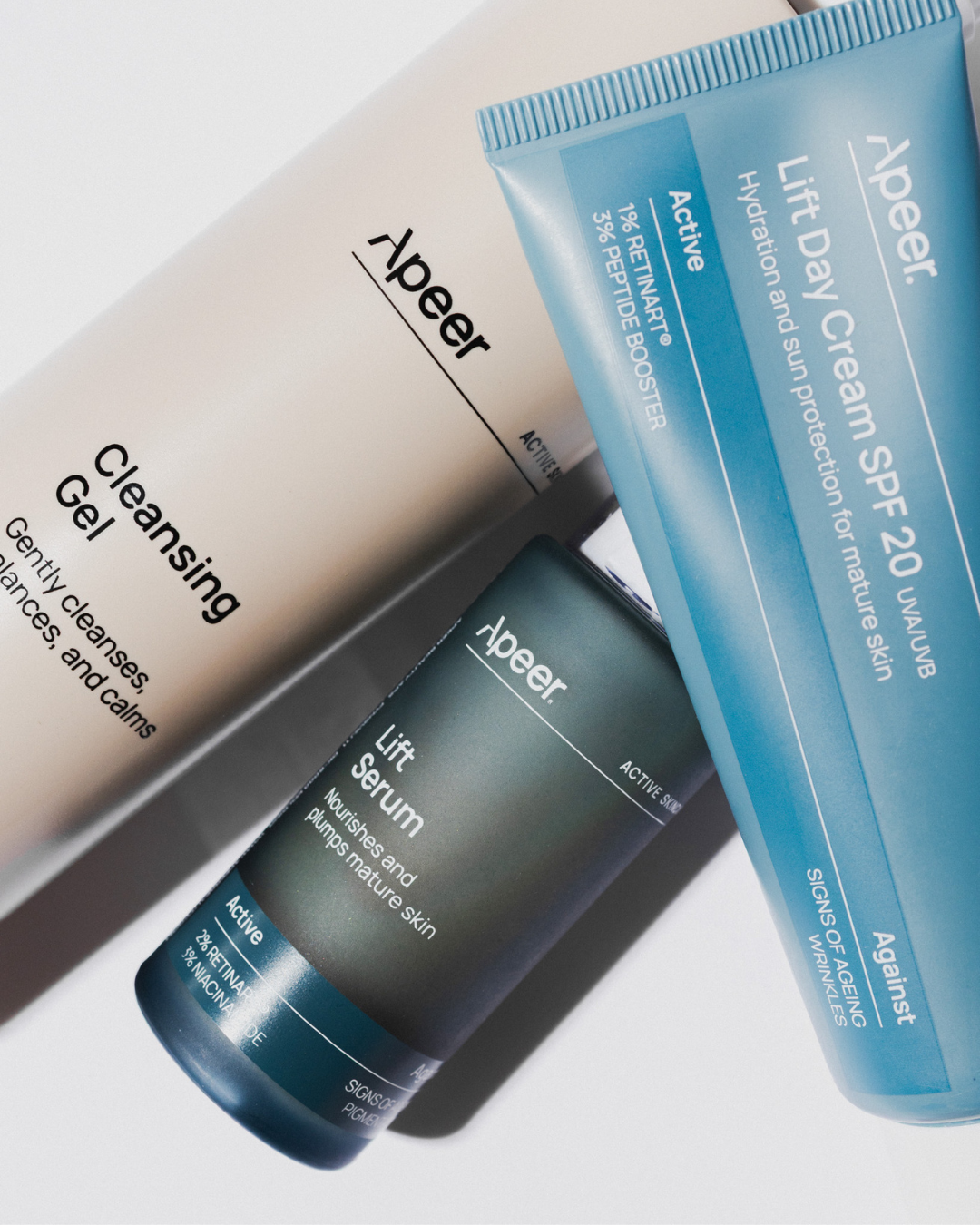
- Day Cream in the morning to increase the skin’s moisture reserves
- Redness Cream as an additional protective, barrier-strengthening layer. In very cold weather, simply apply a thicker layer of Redness Cream)
3.Today, cold plunges and sauna use have become very popular. When it comes to cold plunges and sauna sessions, are there any special considerations for how they affect the skin
Large temperature fluctuations challenge the skin barrier. Blood vessels expand in warmth and contract in cold, which can cause redness and temporary irritation.
Sauna:
- Heat increases water evaporation from the skin
- Apply hydration immediately after: Hydrating Serum + Day Cream
Winter bathing:
- Apply a light layer of Redness Cream before going out into the cold
- After the bath: first restore moisture with Hydrating Serum, then apply a richer cream (Day Cream or Redness Cream)
- Avoid strong exfoliation on the same day. Hydration mask can be a better solution.
4.How do you know if your skin is truly dry?
Signs of genuinely dry skin:
- Persistent tightness, flaking and roughness, redness, products sting more easily, lack of glow.
If your skin feels tight right after cleansing but normal after applying cream, it is usually dehydrated (lacking water) rather than dry.
Dry skin benefits especially from:
- Redness Cream (lipids + ceramides)
- Day Cream (hydration + barrier support)
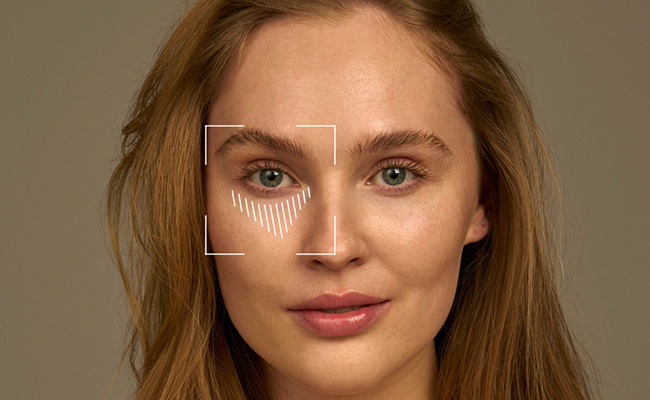
Our FREE AI-Skin Analysis Tool can help if you're still unsure.
5.How can you best protect your skin from cold and wind-induced redness?
A healthy skin barrier is your best winter protection. Follow this simple routine:
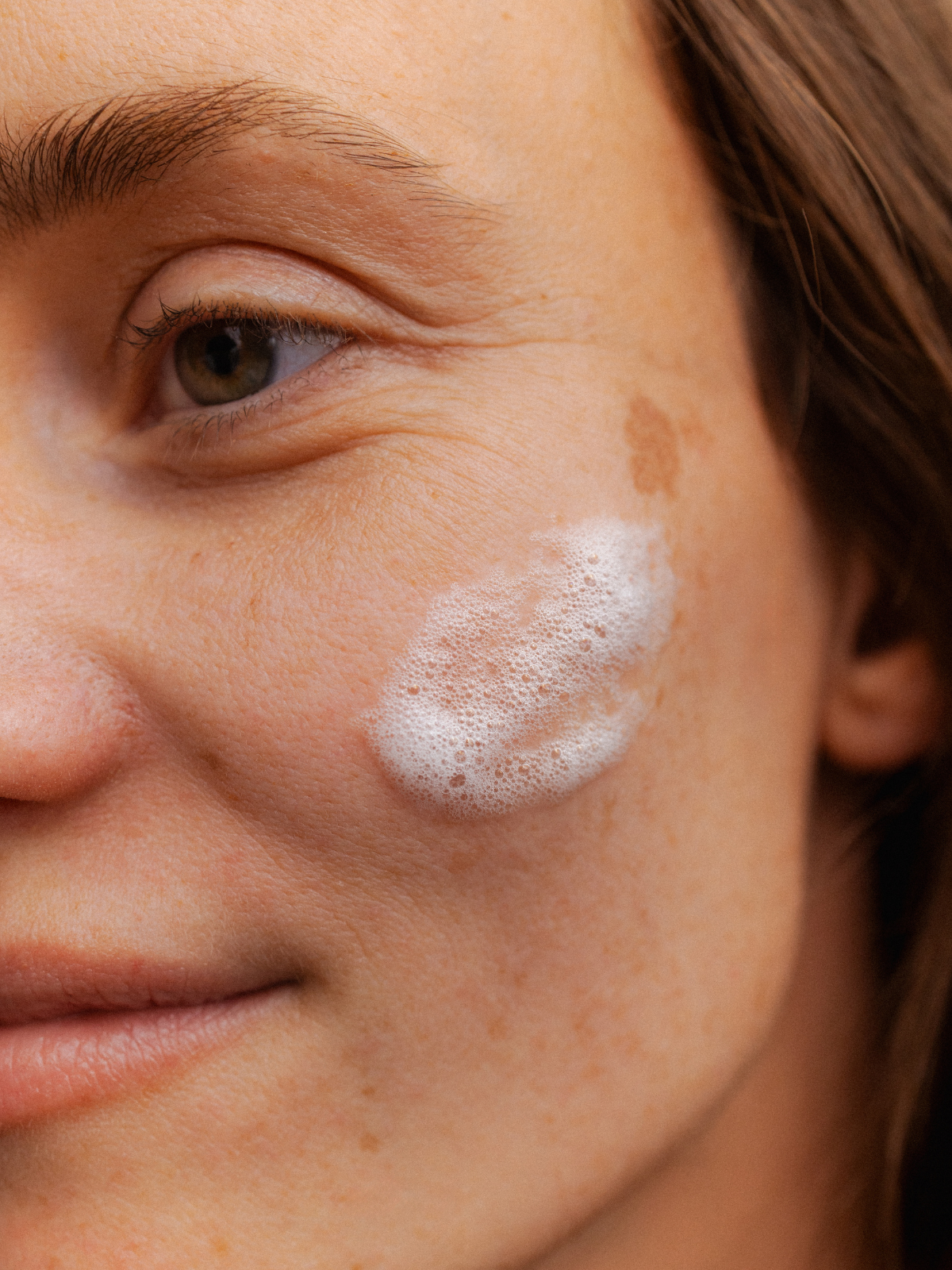
- Gentle cleanse (Apeer Cleansing Gel or Cleansing Foam — avoid sulfates)
- Hydrating Serum to build moisture
- Niacinamide Serum to reduce redness and strengthen the barrier
- A lipid-rich cream such as Redness Cream
- In windy or frosty conditions: apply a slightly thicker layer of Redness Cream for extra protection
- Use a scarf or other physical protection against the wind